
Heart disease continues to be one of the leading causes of illness and mortality worldwide. For decades, it has been commonly believed that once arteries are blocked or damaged, the condition can only be managed — not improved. However, advances in cardiology and preventive medicine have introduced a new and encouraging perspective. Today, the concept of plaque reversal is gaining attention as an evidence-based approach that focuses on improving artery health through targeted medical care, lifestyle modifications, and metabolic management.
Understanding plaque reversal does not mean promising instant cures or ignoring conventional treatments. Instead, it involves a comprehensive, scientifically supported strategy aimed at reducing plaque buildup, improving blood flow, and lowering the overall risk of cardiovascular complications.
This article explores how plaque forms, whether it can be reversed, and how lifestyle medicine plays a critical role in supporting long-term heart health.
Understanding Plaque and Its Role in Heart Disease
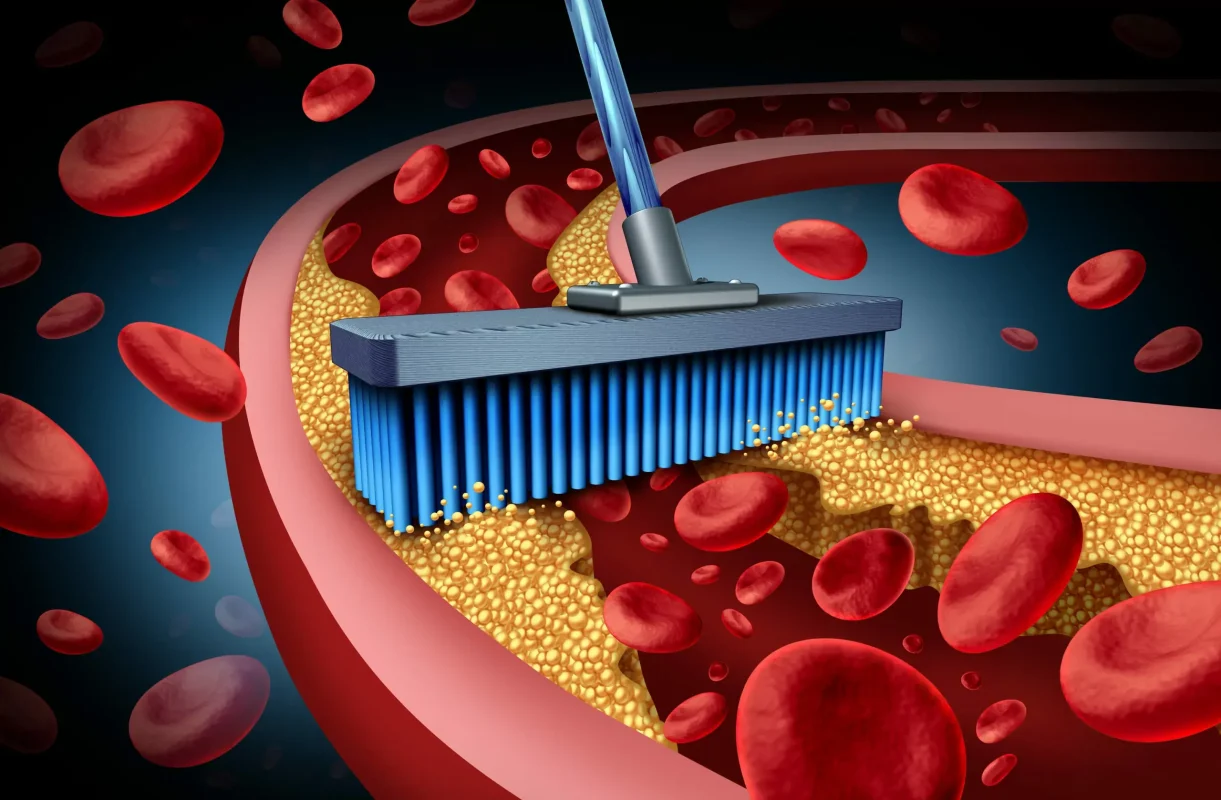
Arteries are responsible for carrying oxygen-rich blood from the heart to the rest of the body. Over time, these arteries can become narrowed or hardened due to the buildup of fatty deposits known as plaque. This condition is called atherosclerosis, and it is one of the primary causes of coronary artery disease.
Plaque is made up of several components, including cholesterol, calcium, fat, inflammatory cells, and cellular waste products. As plaque accumulates, it narrows the arterial walls and restricts blood flow. In severe cases, plaque can rupture, leading to blood clots that may cause heart attacks or strokes.
Several risk factors contribute to plaque buildup, including:
- High cholesterol levels
- Diabetes and insulin resistance
- High blood pressure
- Smoking
- Chronic inflammation
- Sedentary lifestyle
- Poor dietary habits
- Genetic predisposition
Recognizing these risk factors early is essential because plaque buildup often develops silently over many years before symptoms appear.
What Is Plaque Reversal?
Plaque reversal refers to the process of reducing or stabilizing plaque buildup within the arteries. While complete elimination of plaque may not always be possible, research shows that plaque can become less inflamed, less unstable, and in some cases, reduced in size. These improvements significantly lower the risk of heart attacks and other cardiovascular events.
Plaque reversal is not achieved through a single treatment. Instead, it requires a combination of medical therapy, metabolic control, and lifestyle modifications that work together to improve artery function and reduce ongoing plaque formation.
The goal of plaque reversal is to:
- Improve blood vessel flexibility
- Reduce arterial inflammation
- Lower cholesterol and triglyceride levels
- Enhance circulation
- Prevent plaque rupture
- Reduce cardiovascular risk
The Science Behind Plaque Reversal
Scientific studies over the past two decades have demonstrated that aggressive risk factor management can lead to measurable improvements in arterial health. Advanced imaging techniques such as coronary CT angiography and intravascular ultrasound have allowed cardiologists to monitor plaque progression and regression more accurately.
Plaque reversal is influenced by several physiological mechanisms, including:
Cholesterol Reduction
Lowering LDL cholesterol plays a major role in slowing plaque progression. When LDL levels are controlled, the body has a better chance of stabilizing existing plaque deposits.
Inflammation Control
Inflammation contributes significantly to plaque instability. Addressing chronic inflammation through lifestyle and medical management helps reduce plaque vulnerability.
Improved Metabolic Health
Conditions such as diabetes and insulin resistance accelerate plaque formation. Effective blood sugar control supports healthier artery function.
Enhanced Blood Flow
Improving circulation helps deliver oxygen and nutrients to heart tissues, supporting recovery and functional improvement.
The Role of Lifestyle Medicine in Plaque Reversal
Lifestyle medicine focuses on using evidence-based lifestyle interventions as a core part of disease management. For cardiovascular health, these interventions are not alternative therapies; they are medically supported strategies that complement clinical treatment.
1. Nutrition and Heart Health
Diet plays a central role in plaque reversal. A heart-friendly nutritional approach focuses on reducing inflammation, improving cholesterol balance, and supporting metabolic function.
Research suggests that dietary patterns emphasizing whole foods, lean proteins, fiber-rich vegetables, fruits, nuts, and healthy fats may help reduce cardiovascular risk. Limiting processed foods, trans fats, excessive sugars, and refined carbohydrates also supports better artery health.
Balanced nutrition helps regulate cholesterol levels, maintain healthy blood pressure, and improve insulin sensitivity.
2. Physical Activity and Circulation
Regular physical activity improves cardiovascular efficiency and promotes better blood flow. Exercise helps increase HDL cholesterol, often referred to as protective cholesterol, while reducing harmful lipid levels.
Physical activity also improves endothelial function, which supports the flexibility and responsiveness of blood vessels. Consistent movement, tailored to an individual’s health condition, plays a vital role in supporting plaque stabilization and metabolic improvement.
3. Stress Management and Cardiovascular Risk
Chronic stress is increasingly recognized as a contributor to heart disease. Stress hormones can increase blood pressure, trigger inflammation, and disrupt metabolic balance.
Incorporating stress management techniques such as guided relaxation, mindfulness practices, breathing exercises, and structured recovery routines can help support cardiovascular stability.
4. Weight and Metabolic Control
Excess body weight, particularly around the abdomen, is strongly linked with insulin resistance and cardiovascular disease. Sustainable weight management improves blood sugar control, reduces inflammation, and decreases plaque progression.
Even moderate weight reduction can significantly improve cardiovascular markers and overall metabolic health.
5. Smoking Cessation
Smoking damages blood vessels, accelerates plaque buildup, and increases clot formation risk. Quitting smoking remains one of the most effective ways to improve artery health and reduce cardiovascular complications.
Medical Therapies Supporting Plaque Reversal
Lifestyle medicine works best when combined with individualized medical care. Modern cardiology provides several treatment strategies that support plaque stabilization and cardiovascular improvement.
These may include:
- Cholesterol-lowering medications when clinically indicated
- Blood pressure management therapies
- Diabetes and metabolic condition management
- Advanced diagnostic monitoring
- Non-invasive circulatory therapies that support blood flow improvement
Personalized treatment planning ensures that each patient receives care tailored to their unique risk profile and health status.
The Importance of Early Detection
One of the most important factors in successful plaque reversal is early detection. Many individuals with cardiovascular risk factors may not experience symptoms until plaque buildup becomes severe.
Preventive cardiac evaluations help identify risk markers before complications develop. Early detection allows healthcare providers to implement targeted interventions that may slow or reverse disease progression.
Regular screening is especially important for individuals with:
- Diabetes or pre-diabetes
- Family history of heart disease
- Elevated cholesterol levels
- High blood pressure
- Sedentary lifestyle patterns
Can Plaque Reversal Benefit Everyone?
Plaque reversal strategies benefit many individuals, but results vary depending on several factors, including the severity of disease, duration of plaque buildup, metabolic health, and adherence to treatment plans.
While advanced artery damage may require more intensive medical management, even patients with long-standing cardiovascular disease can experience improvement in symptoms, functional capacity, and risk reduction through structured preventive care.
The key is a consistent, medically guided approach that combines clinical expertise with sustainable lifestyle changes.
The Future of Preventive Cardiology
Cardiology is shifting toward preventive and personalized care models. Instead of focusing solely on treating advanced heart disease, modern approaches aim to identify and modify risk factors earlier in the disease process.
Advances in imaging technology, metabolic evaluation, and lifestyle-based therapeutic programs are improving how cardiovascular conditions are managed. The integration of medical science with lifestyle medicine is opening new pathways for long-term heart health improvement.
Plaque reversal represents an important part of this evolving approach, helping patients move toward better cardiovascular outcomes through structured, evidence-based care.
When Should You Consider Cardiovascular Evaluation?
Many individuals assume cardiac evaluation is necessary only when symptoms appear. However, early screening can provide valuable insights into cardiovascular risk.
Consider seeking professional evaluation if you experience:
- Chest discomfort or unexplained fatigue
- Shortness of breath during routine activities
- Persistent high cholesterol or blood sugar levels
- Family history of heart disease
- Difficulty maintaining blood pressure control
Early consultation allows for accurate risk assessment and timely intervention planning.
Taking the First Step Toward Better Artery Health
Understanding plaque reversal provides hope and direction for individuals concerned about cardiovascular risk. With advances in cardiology and preventive medicine, patients now have access to comprehensive strategies designed to improve artery health, enhance circulation, and reduce long-term complications.
A medically supervised plan that integrates diagnostic evaluation, metabolic management, and lifestyle medicine can play a meaningful role in supporting heart health and improving overall well-being.
Prioritize Your Heart Health with Expert Guidance
If you are concerned about cardiovascular risk, cholesterol levels, diabetes, or early symptoms of heart disease, seeking professional evaluation can help you understand your current heart health status and available preventive strategies.
Dr. Annie Varughese brings over 28 years of cardiology experience, focusing on advanced diagnostics, preventive cardiology, and personalized care strategies designed to support long-term cardiovascular wellness.
Schedule a consultation to explore structured evaluation, risk assessment, and medically guided approaches that support improved artery health and cardiovascular stability.
