
Chest pain is one of the most alarming symptoms a person can experience. While some causes of chest pain are minor and temporary, others may indicate serious heart conditions that require immediate medical attention. Because chest pain can result from a variety of medical issues, understanding when it signals a heart problem is extremely important.
Recognizing the different types of chest pain, their causes, and warning signs can help individuals seek timely medical care and protect their overall cardiovascular health.
What Is Chest Pain?
Chest pain or angina pectoris refers to discomfort or pain that occurs anywhere in the chest region, including the area between the neck and upper abdomen. The sensation may vary from sharp and stabbing pain to pressure, tightness, burning, or aching.
Not all chest pain is related to heart disease. However, since the heart is located in the chest, any unexplained or persistent discomfort should always be taken seriously. Early evaluation can help rule out life-threatening conditions and provide reassurance when the cause is less severe.
Common Causes of Angina Pectoris
Chest pain can originate from several different systems in the body, including the heart, lungs, digestive system, muscles, or nerves. Understanding these causes can help identify when chest pain may be dangerous.
Heart-Related Causes
Heart conditions are among the most serious causes of angina pectoris. These may include:
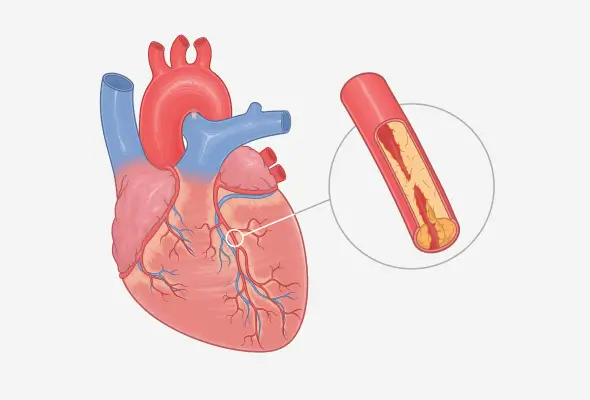
- Coronary artery disease: Narrowed or blocked arteries reduce blood flow to the heart muscle.
- Heart attack: Occurs when blood flow to the heart is suddenly blocked.
- Angina: Chest discomfort caused by reduced blood flow to the heart.
- Inflammation of the heart lining or muscle: Conditions such as pericarditis or myocarditis can cause chest discomfort.
Heart-related chest pain is often associated with pressure, tightness, or squeezing sensations.
Lung-Related Causes
Several lung conditions can also cause pain in the chest, including:
- Pulmonary embolism (blood clot in the lungs)
- Pneumonia or lung infections
- Collapsed lung
- Inflammation of the lung lining
These conditions often cause pain of chest that worsens with breathing or coughing.
Digestive System Causes
Digestive issues frequently cause chest discomfort that can mimic heart pain. Common causes include:
- Acid reflux or heartburn
- Esophageal spasms
- Gallbladder disease
Digestive pain of chest is often associated with burning sensations and may worsen after eating.
Musculoskeletal Causes
Pain in chest may also result from muscle strain or inflammation in the chest wall. These causes are typically related to physical activity, injury, or poor posture.
Musculoskeletal pain of chest usually worsens with movement or when pressure is applied to the chest area.
Anxiety and Stress
Emotional stress and panic attacks can also produce pain of chest symptoms. Individuals may experience tightness in the chest, rapid heartbeat, or shortness of breath during anxiety episodes.
Although stress-related chest pain is not caused by heart disease, it should still be evaluated to rule out serious medical conditions.
When Is Chest Pain a Medical Emergency?
Chest pain should never be ignored, especially when it appears suddenly or feels different from previous discomfort. Certain symptoms strongly suggest that chest pain may be heart-related and require immediate medical attention.
Warning Signs That Require Emergency Care
Seek emergency medical help if chest pain is accompanied by:
- Pressure, squeezing, or heaviness in the chest
- Pain spreading to the arms, neck, jaw, back, or shoulders
- Shortness of breath
- Sweating or cold clammy skin
- Nausea or vomiting
- Dizziness or fainting
- Sudden fatigue or weakness
These symptoms may indicate a heart attack or another serious cardiovascular condition.
How Chest Pain Related to Heart Disease Feels
Heart-related pain of chest often presents differently in each individual. Some people experience intense pain, while others may feel mild discomfort or pressure.
Angina
Angina is a type of chest pain caused by reduced blood flow to the heart. It usually occurs during physical exertion or emotional stress and improves with rest. Angina is often described as pressure or tightness rather than sharp pain.
Heart Attack Pain
Pain of chest during a heart attack is often severe and persistent. It may feel like crushing pressure or squeezing in the chest and usually lasts longer than a few minutes. The pain may also spread to other parts of the body and be accompanied by additional symptoms such as shortness of breath or nausea.
Risk Factors That Increase Concern About Chest Pain
Certain individuals are more likely to experience heart-related chest pain due to underlying risk factors. These include:
- High blood pressure
- High cholesterol
- Diabetes
- Smoking
- Obesity
- Physical inactivity
- Family history of heart disease
- Chronic stress
- Older age
People with these risk factors should be especially cautious and seek medical evaluation for any unexplained chest discomfort.
Chest Pain Symptoms That Are Often Overlooked
Not all heart-related pain of chest is severe or obvious. Some patients experience subtle symptoms that are easily ignored.
These may include:
- Mild discomfort rather than sharp pain
- Unusual fatigue
- Indigestion-like symptoms
- Breathlessness during routine activities
- Lightheadedness
Women, older adults, and individuals with diabetes are more likely to experience these less obvious symptoms.
How Cardiologists Diagnose Chest Pain
Accurate diagnosis of chest pain requires a thorough medical evaluation. Cardiologists use a combination of physical examination, medical history review, and advanced diagnostic testing.
Electrocardiogram (EKG)
An EKG records the electrical activity of the heart and helps detect abnormal rhythms or signs of heart damage.
Stress Testing
Stress tests evaluate how the heart performs during physical activity or medication-induced stress.
Echocardiogram
This imaging test uses ultrasound to examine heart structure and function.
Cardiac Imaging Tests
Advanced imaging methods such as cardiac MRI or CT scans provide detailed views of the heart and blood vessels.
Blood Tests
Blood tests can detect markers that indicate heart muscle damage or inflammation. Early and accurate diagnosis helps guide treatment decisions and prevents complications.
Treatment Options for Chest Pain
Treatment for chest pain depends on its underlying cause. Heart-related pain of chest often requires medical therapy, lifestyle changes, or interventional procedures.
Medications
Doctors may prescribe medications to:
- Improve blood flow
- Lower blood pressure
- Reduce cholesterol levels
- Prevent blood clots
- Control heart rhythm
Lifestyle Changes
Adopting heart-healthy habits can significantly reduce pain of chest risk and improve overall cardiovascular health. These include:
- Eating a balanced diet
- Exercising regularly
- Managing stress
- Maintaining a healthy weight
- Avoiding tobacco use
Interventional Procedures
In some cases, procedures such as angioplasty or stenting may be required to restore blood flow to the heart.
Preventing Heart-Related Chest Pain
Preventive care plays a vital role in reducing the risk of serious heart conditions. Regular health screenings and early detection can help identify potential heart problems before symptoms worsen.
Individuals should consider routine cardiovascular checkups if they have risk factors or family history of heart disease. Monitoring blood pressure, cholesterol levels, and blood sugar can help maintain long-term heart health.
When Should You Visit a Cardiologist?
You should consult a cardiologist if you experience:
- Recurring chest pain
- Chest discomfort during physical activity
- Unexplained fatigue or breathlessness
- Dizziness or fainting episodes
- Persistent cardiovascular risk factors
Seeking early medical evaluation can help detect heart disease before it becomes life-threatening.
Final Thoughts
Chest pain is a symptom that should never be ignored. While not all chest pain is caused by heart disease, it is important to take every episode seriously and seek medical evaluation when symptoms appear unusual or persistent.
Understanding the causes, warning signs, and risk factors associated with chest pain can help individuals make informed healthcare decisions. Early diagnosis and preventive care play a crucial role in protecting long-term heart health and improving quality of life.
If you experience chest pain or have concerns about your cardiovascular health, consulting a cardiologist can provide reassurance, accurate diagnosis, and personalized treatment options to keep your heart healthy and strong.
