
Heart disease in women is often misunderstood, underdiagnosed, and sometimes overlooked until serious complications occur. While many people associate heart disease primarily with men, cardiovascular disease remains the leading cause of death among women worldwide.
One of the biggest challenges in diagnosing heart disease in women is that symptoms often differ from the “classic” chest pain commonly seen in men. Women may experience subtle, unusual, or less dramatic warning signs, which can delay diagnosis and treatment.
Understanding the early symptoms of heart disease in women can help ensure timely medical evaluation and better long-term heart health.
Why Heart Disease in Women Is Often Missed
Heart disease in women frequently presents differently than it does in men. While crushing chest pain is a well-known sign of heart attack, many women experience more subtle symptoms that may not immediately appear heart-related.
In addition:
- Women tend to develop heart disease later in life compared to men.
- Hormonal changes, particularly after menopause, increase cardiovascular risk.
- Symptoms are sometimes attributed to stress, anxiety, or aging.
- Women may delay seeking medical attention.
Because of these differences, early awareness is essential.
What Is Heart Disease?
Heart disease is a broad term that includes several cardiovascular conditions affecting the heart and blood vessels. The most common type is coronary artery disease, which occurs when plaque builds up in the arteries and reduces blood flow to the heart.
Other forms of heart disease include:
- Heart rhythm disorders (arrhythmias)
- Heart valve disease
- Heart failure
- Cardiomyopathy
- Congenital heart defects
Early detection plays a key role in preventing serious complications such as heart attack or stroke.
Early Symptoms of Heart Disease in Women
The early signs of heart disease in women can be mild, gradual, or easily mistaken for other health issues. Recognizing these warning signs can be life-saving.
1. Unusual Fatigue
One of the most common early symptoms of heart disease in women is persistent, unexplained fatigue. This is not normal tiredness from a busy day. Instead, it may feel overwhelming and disproportionate to activity levels.
Women may notice:
- Sudden exhaustion during routine tasks
- Fatigue that lasts for days
- Feeling drained without clear cause
This symptom is often overlooked but should not be ignored.
2. Shortness of Breath
Difficulty breathing during everyday activities can signal underlying heart problems. Women may feel winded while climbing stairs, walking short distances, or even while resting.
Shortness of breath may occur with or without chest discomfort and is a key early indicator of cardiovascular strain.
3. Chest Discomfort (Not Always Severe Pain)
Although chest pain is still a symptom of heart disease in women, it may not feel intense or crushing. Instead, women often describe:
- Pressure
- Tightness
- Fullness
- Burning sensation
The discomfort may come and go or feel mild enough to dismiss.
4. Pain in the Neck, Jaw, Back, or Shoulders
Heart-related pain does not always stay in the chest. Many women experience discomfort in other areas, including:
- Jaw
- Neck
- Upper back
- Shoulders
- One or both arms
This pain may be gradual or sudden and can occur without obvious chest symptoms.
5. Nausea, Indigestion, or Stomach Pain
Some women experience symptoms that resemble digestive issues, such as:
- Nausea
- Vomiting
- Heartburn
- Upper abdominal discomfort
These signs are frequently mistaken for gastrointestinal problems rather than heart-related concerns.
6. Dizziness or Lightheadedness
Feeling faint, dizzy, or suddenly weak can indicate reduced blood flow from the heart. If these symptoms occur alongside other warning signs, medical evaluation is essential.
7. Sleep Disturbances
Some women report trouble sleeping, restlessness, or waking frequently in the weeks leading up to a heart event. While sleep issues alone are not diagnostic, they can be part of a broader pattern of early symptoms.
Risk Factors for Heart Disease in Women
Understanding risk factors is critical in preventing heart disease in women. Some risk factors are shared with men, while others uniquely affect women.
Common Risk Factors
- High blood pressure
- High cholesterol
- Diabetes
- Smoking
- Obesity
- Sedentary lifestyle
- Family history of heart disease
Women-Specific Risk Factors
- Pregnancy-related complications (such as preeclampsia)
- Gestational diabetes
- Early menopause
- Autoimmune disorders
- Polycystic ovary syndrome (PCOS)
Hormonal changes during menopause significantly increase cardiovascular risk.
How Heart Attacks Differ in Women
Heart attacks in women are more likely to present with subtle symptoms rather than dramatic chest pain. Many women report feeling unwell for days or weeks before a heart attack occurs.
Women are also more likely to experience:
- Silent heart attacks
- Microvascular disease (small vessel disease)
- Delayed diagnosis
Because symptoms can be less obvious, women sometimes arrive at the hospital later than men, which may impact outcomes.
When Should Women See a Cardiologist?
Women should consider consulting a cardiologist if they experience:
- Persistent fatigue without explanation
- Shortness of breath during routine activities
- Recurring chest discomfort
- Dizziness or fainting episodes
- Multiple cardiovascular risk factors
Routine heart evaluations become especially important after menopause or when risk factors are present.
How Heart Disease in Women Is Diagnosed
Diagnosis involves a combination of medical history, physical examination, and specialized testing.
Common diagnostic tests include:
- Electrocardiogram (EKG)
- Stress testing
- Echocardiography
- Cardiac imaging (CT or MRI)
- Blood tests for cardiac markers
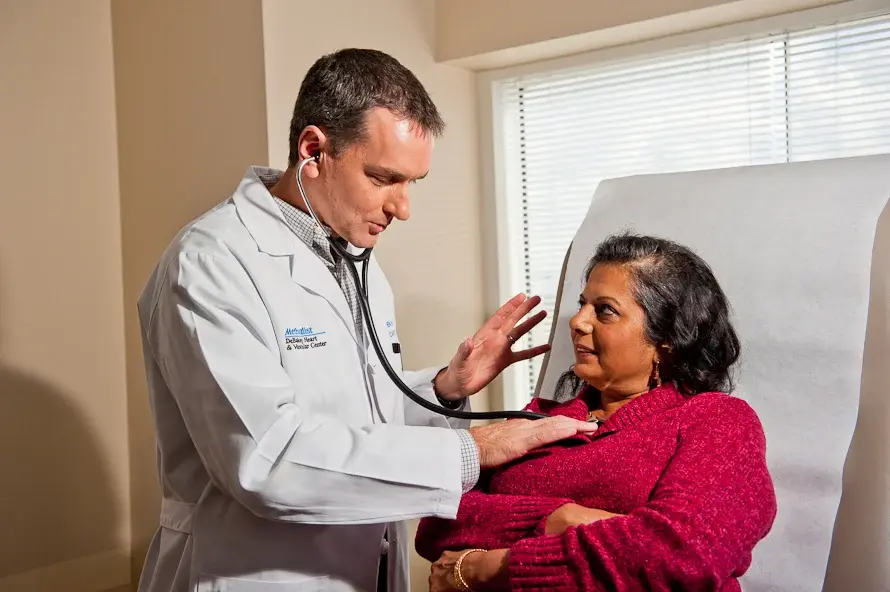
Early testing allows physicians to identify issues before serious damage occurs.
Preventing Heart Disease in Women
Prevention is the most powerful tool in reducing the impact of heart disease in women. Lifestyle changes and regular screenings can dramatically lower risk.
Adopt a Heart-Healthy Diet
Focus on:
- Fruits and vegetables
- Whole grains
- Lean proteins
- Healthy fats
- Reduced sodium and processed foods
Stay Physically Active
Regular exercise improves circulation, strengthens the heart muscle, and helps maintain a healthy weight.
Manage Stress
Chronic stress contributes to inflammation and elevated blood pressure. Stress-reduction techniques such as meditation, yoga, and adequate sleep can benefit heart health.
Monitor Blood Pressure and Cholesterol
Routine screenings help detect issues early and allow for timely treatment.
Avoid Tobacco
Smoking significantly increases the risk of heart disease and stroke.
The Importance of Early Awareness
Raising awareness about heart disease in women is essential because symptoms are often subtle and misinterpreted. Education empowers women to advocate for their health and seek evaluation when something feels unusual.
No symptom is too small to discuss with a healthcare provider, especially when it comes to heart health.
Final Thoughts
Heart disease in women is a serious but often underrecognized health concern. Because symptoms may differ from traditional expectations, early signs are frequently overlooked or dismissed.
Persistent fatigue, shortness of breath, mild chest discomfort, nausea, or unexplained pain in the jaw or back should never be ignored. Recognizing these warning signs and seeking timely medical evaluation can significantly improve outcomes.
Preventive care, regular heart screenings, and healthy lifestyle choices remain the most effective strategies for protecting long-term cardiovascular health.
If you have concerns about your heart health or risk factors for cardiovascular disease, consulting a cardiologist can provide clarity, reassurance, and a personalized prevention plan.
