
A cardiac stress test is a common diagnostic procedure used to evaluate how well the heart functions during physical activity. Because exercise makes the heart pump harder and faster, it can reveal problems with blood flow that may not be noticeable while the body is at rest.
Many patients feel anxious when they are scheduled for a cardiac stress test, often because they are unsure about what the test involves. Understanding the purpose, process, and benefits of this test can help patients feel more confident and prepared before their appointment.
A cardiac stress test provides valuable information about heart health and helps physicians detect conditions such as coronary artery disease, irregular heart rhythms, or reduced blood flow to the heart.
What Is a Cardiac Stress Test?
A cardiac stress test is a diagnostic test that measures how the heart performs when it is placed under controlled physical stress. During the test, the heart rate is increased either through exercise or medication while doctors monitor heart activity.
The goal of the test is to observe how the heart responds when it needs more oxygen and blood flow. If arteries supplying blood to the heart are narrowed or blocked, symptoms or abnormal readings may appear during the test.
This information helps cardiologists diagnose heart conditions and determine the most appropriate treatment plan.
Why Doctors Recommend a Cardiac Stress Test
A physician may recommend a cardiac stress test for several reasons. The test is often used to evaluate symptoms that may indicate underlying heart disease.
Common reasons for performing a cardiac stress test include:
- Evaluating chest pain or discomfort
- Investigating shortness of breath
- Detecting coronary artery disease
- Monitoring the effectiveness of heart treatments
- Determining safe levels of physical activity
- Identifying irregular heart rhythms during exercise
A cardiac stress test can also help physicians assess how well the heart functions after procedures such as angioplasty or heart surgery.
Types of Cardiac Stress Tests
There are several different types of cardiac stress tests, and the type used depends on the patient’s health condition and diagnostic needs.
Exercise Stress Test
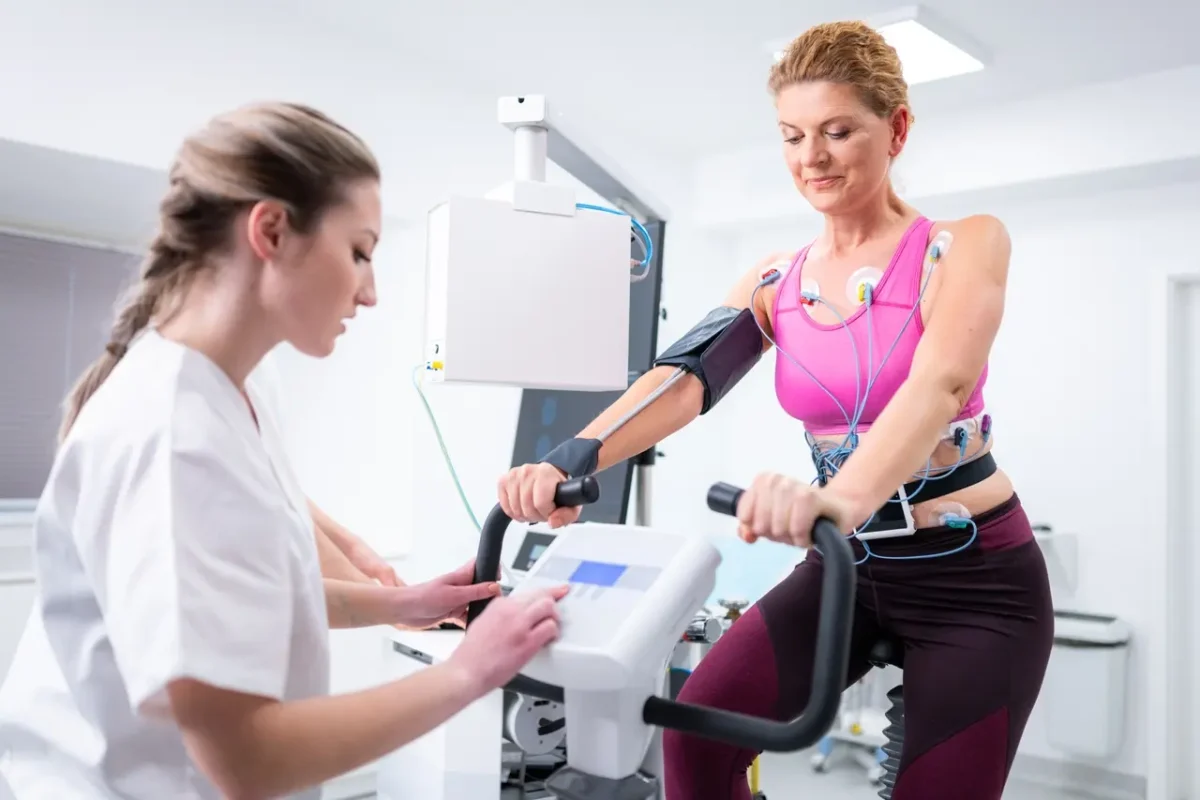
The most common form of cardiac stress test involves walking on a treadmill or pedaling a stationary bicycle. The intensity of the exercise gradually increases while medical staff monitor heart activity.
Stress Echocardiogram
A stress echocardiogram combines an exercise stress test with ultrasound imaging of the heart. Images are taken before and immediately after exercise to evaluate how well the heart muscle is pumping.
Nuclear Stress Test
A nuclear stress test involves injecting a small amount of radioactive tracer into the bloodstream. Special imaging equipment tracks blood flow to the heart during rest and stress conditions.
Pharmacological Stress Test
For patients who cannot exercise due to physical limitations, medication may be used to simulate the effects of exercise on the heart.
Each type of cardiac stress test provides valuable information about heart function and blood flow.
Preparing for a Cardiac Stress Test
Proper preparation helps ensure accurate results during a cardiac stress test. Patients are usually given specific instructions before the procedure.
Common preparation guidelines may include:
- Avoid eating heavy meals for several hours before the test
- Wear comfortable clothing and walking shoes
- Avoid caffeine or tobacco on the day of the test
- Inform the doctor about any medications being taken
- Follow instructions about temporarily stopping certain medications if advised
Patients should also inform their doctor about any recent symptoms such as chest pain, dizziness, or breathing difficulties.
What Happens During a Cardiac Stress Test
Understanding what happens during a cardiac stress test can help reduce anxiety and make the experience more comfortable.
Step 1: Preparation and Monitoring
Before the test begins, a healthcare professional places small adhesive electrodes on the chest, arms, and legs. These electrodes are connected to an electrocardiogram machine that records the heart’s electrical activity.
A blood pressure cuff is also placed on the arm to monitor blood pressure throughout the procedure.
Step 2: Baseline Measurements
Before exercise begins, the medical team records baseline readings of heart rate, blood pressure, and heart rhythm. These measurements help doctors compare heart performance before and during stress.
Step 3: Gradual Exercise
Patients begin walking on a treadmill or pedaling a stationary bike at a slow pace. The speed and incline gradually increase every few minutes to make the heart work harder.
Throughout the test, doctors closely monitor:
- Heart rhythm
- Heart rate
- Blood pressure
- Breathing patterns
- Patient symptoms
Patients are encouraged to report any discomfort during the test.
Step 4: Monitoring Symptoms
During the cardiac stress test, patients may experience increased breathing, sweating, or mild fatigue due to exercise. These responses are normal.
However, if symptoms such as chest pain, severe shortness of breath, dizziness, or extreme fatigue occur, the test may be stopped immediately.
Step 5: Recovery Period
After the exercise portion ends, patients continue to be monitored while the heart rate gradually returns to normal. Blood pressure and heart rhythm are observed for several minutes during recovery.
This recovery phase can also provide valuable information about heart function.
How Long Does a Cardiac Stress Test Take?
A typical cardiac stress test usually takes 30 to 60 minutes from start to finish.
The exercise portion itself may only last around 10 to 15 minutes, depending on the patient’s fitness level and heart response.
Additional time is required for preparation, monitoring, and recovery.
What Do the Results Show?
Results from a cardiac stress test help doctors evaluate how effectively blood flows to the heart during increased activity.
Possible findings may include:
- Normal heart function and blood flow
- Reduced blood flow suggesting coronary artery blockage
- Abnormal heart rhythms triggered by exercise
- Signs of previous heart damage
If abnormalities are detected, the physician may recommend additional diagnostic tests or treatment options.
Is a Cardiac Stress Test Safe?
A cardiac stress test is considered a safe and widely used diagnostic procedure. Medical professionals carefully monitor patients throughout the test to ensure safety.
Serious complications are rare, but medical staff are fully prepared to manage any issues that may arise.
Most patients complete the test without difficulty and can return to normal activities shortly afterward.
Benefits of a Cardiac Stress Test
A cardiac stress test offers several important benefits for evaluating cardiovascular health.
These include:
- Detecting heart disease early
- Identifying reduced blood flow to the heart
- Assessing exercise tolerance
- Monitoring treatment effectiveness
- Guiding further diagnostic testing or treatment decisions
By identifying potential problems early, physicians can take steps to prevent more serious heart conditions.
When Should You Talk to Your Doctor?
Patients should speak with their doctor if they experience symptoms such as:
- Chest discomfort during physical activity
- Unexplained shortness of breath
- Sudden fatigue or weakness
- Heart palpitations
- Dizziness or fainting
These symptoms may indicate a need for further heart evaluation, including a cardiac stress test.
Early testing allows doctors to detect heart problems before they become more serious.
Final Thoughts
A cardiac stress test is an important tool for evaluating heart health and identifying potential cardiovascular problems. By observing how the heart responds to physical stress, doctors can detect reduced blood flow, abnormal rhythms, and other conditions that may not appear during rest.
Although the idea of a cardiac test may feel intimidating, the procedure is safe, non-invasive, and commonly performed. Understanding what happens during a cardiac stress test can help patients feel more comfortable and confident during the process.
If you experience symptoms such as chest pain, shortness of breath, or unexplained fatigue, consulting a cardiologist may help determine whether a cardiac stress test is appropriate for your situation.
Regular heart screenings and early detection remain key steps in protecting long-term cardiovascular health.
