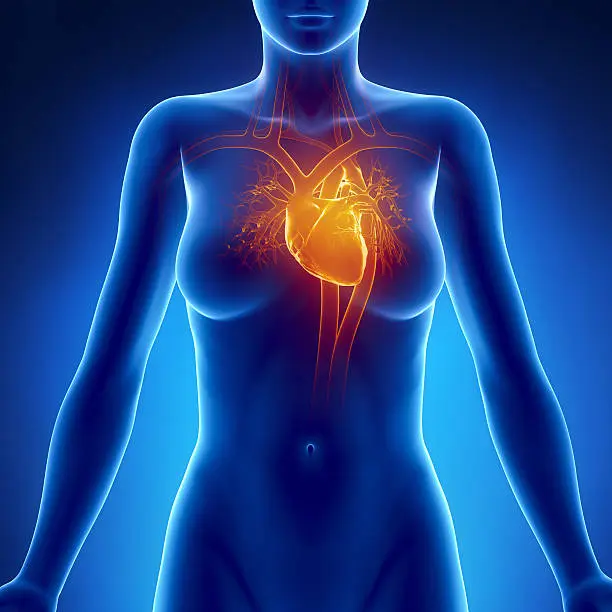
A heart attack occurs when an artery that carries oxygen-rich blood to the muscle of the heart (myocardium) becomes blocked. The resulting lack of oxygen causes tissue to die in the part of the heart supplied by the blocked artery. A heart attack is also called a myocardial infarction (MI).

Causes Of Heart Attack In Women

Most heart attacks are indirectly caused by coronary artery disease (CAD) or Atherosclerosis, a condition in which fatty deposits (plaque) build up on the walls of an artery. This narrows the arteries and restricts blood flow to the muscle of the heart. A heart attack is usually triggered by a tear or rupture of the plaque, which leads to the formation of a blood clot that blocks the blood flow in the artery. Spasm of the artery can also contribute to the blockage.
Risk Factors In Heart Attack In women

The risk factors for having a heart attack are similar to those for developing CAD.

  • Early menopause
  • Postmenopausal status
  • Increasing age
  • African American, Mexican American, American Indian, native Hawaiian, or Asian ethnicity.
  • Family history of cardiovascular disease (These are diseases that affect the heart and blood vessels.)

Risk factors that you can control through lifestyle or treatment include:

  • High levels of low-density lipoprotein (LDL) cholesterol
  • Low levels of high-density lipoprotein (HDL) cholesterol
  • Sedentary lifestyle
  • Diabetes
  • Obesity and overweight (especially when focused around the waist)
  • Psychological stress.

Risk Factors In Heart Attack In women

The symptoms of a heart attack may be far more subtle in women than in men. Chest pain or discomfort is typically the most common symptom in men and women. However, women may be more likely to experience some of the other common symptoms, particularly shortness of breath, nausea or vomiting, and back or jaw pain. Common symptoms include:

  • Nausea and vomiting
  • Severe fatigue
  • Dizziness, fainting
  • Feelings of heartburn or indigestion in the upper abdomen
  • Pain that radiates into the arms (on the left side more than the right)
  • Pain high in the back, jaw, or neck
  • Heart palpitations
  • Profuse sweating
  • Shortness of breath
  • A fear of impending death

Risk Factors In Heart Attack In women

The following tests may be done to confirm the diagnosis of a heart attack:

  • Electrocardiogram (ECG)—This test records the electrical activity of the heart. It is used to see if the heart muscle was damaged and where the damage is located.
  •  Blood tests—These may include checking levels of enzymes, troponin levels, and other tests.
  •  Echocardiogram —This test uses high-frequency sound waves to visualize the heart’s structure and function.
  •  Myocardial perfusion scan —This scan uses small doses of a radioactive substance injected into the bloodstream to visualize how well blood is nourishing the heart muscle.
  • Coronary angiogram —This is an invasive test where a catheter is placed into the large artery in the groin and then advanced up the aorta and to the heart. Intravenous (IV) contrast is injected into the arteries to visualize blockages.

Risk Factors In Heart Attack In women

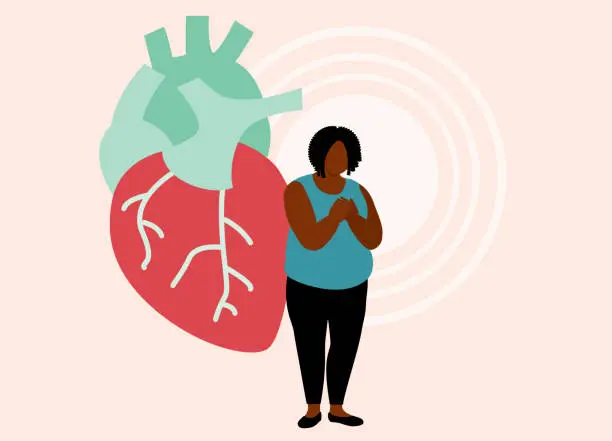
As with men, heart disease is the number one killer for women, too. Women account for nearly half the deaths from heart attack. This makes it especially important for women to recognize the symptoms and receive immediate care.

Medical attention within the first hour after the symptoms start can significantly reduce the amount of heart damage. An electric shock using a defibrillator along with intravenous medicine may be administered if the heartbeat is dangerously irregular. Supplemental oxygen is usually given to increase oxygen in the blood and minimize tissue damage. Other treatments may include:

A number of drugs can reduce clotting and improve blood flow, thereby minimizing damage to the heart. These include:

  • Drugs that alleviate pain and dilate blood vessels around the heart, increasing blood flow (eg, nitroglycerin, morphine)
  •  Anticlotting drugs (eg, aspirin, heparin, clopidogrel, platelet GP IIb/IIIa inhibitors)
  •  Drugs that dissolve blood clots (eg, streptokinase, alteplase, reteplase, anistreplase, urokinase)
  • Drugs that slow heart rate and/or lower blood pressure (eg, beta-blockers, ACE inhibitors, calcium-channel blockers)
  • Cholesterol-lowering drugs (eg, statins)

 Revascularization Procedures:
In some cases, opening the blocked arteries may be required or recommended. The two most common of these procedures are:

  • Coronary angioplasty —A small balloon attached to a catheter is inserted into an artery in the groin and threaded to the site of blockage. The balloon is inflated and deflated to open the artery, and then it is removed. This makes more room in the artery for blood to flow through. A stent may also be placed to help keep the artery open.
  •  Coronary artery bypass graft (CABG)—This is a surgical procedure used when multiple vessels are blocked, a PCI cannot be done, or there is a critical blockage of the left main coronary artery. This is done by using blood vessels from other parts of the body to make a new route for blood to flow around blocked arteries.

Preventions:

  • Quit smoking; seek medical support or nicotine replacement if needed.
  • Exercise regularly: 150 minutes moderate or 75 minutes vigorous activity weekly.
  • Follow your cardiac rehabilitation program after a heart event or surgery.
  • Eat a heart-healthy diet rich in fruits, vegetables, whole grains, and fish.
  • Maintain a healthy weight through balanced eating and regular physical activity.
  • Control blood pressure with lifestyle changes and medication if prescribed.