
Insulin resistance, also called impaired insulin sensitivity is a growing health concern that often develops silently but can lead to serious conditions such as Type 2 diabetes, heart disease, and metabolic syndrome. Many people may have insulin resistance without even realizing it, as early symptoms are often mild or overlooked.
Understanding insulin resistance, its causes, and how to manage it is essential for maintaining long-term health. With the right approach, including lifestyle changes and medical guidance, insulin resistance can be improved, and in many cases, significantly reversed.
What Is Insulin Resistance?
Insulin resistance occurs when the body’s cells do not respond properly to insulin, a hormone produced by the pancreas that helps regulate blood sugar levels.
Normally, insulin allows glucose (sugar) to enter cells, where it is used for energy. However, when cells become resistant to insulin, glucose cannot enter efficiently. As a result:
- Blood sugar levels rise
- The pancreas produces more insulin
- Over time, this can lead to high insulin levels and eventually diabetes
If left untreated, insulin resistance can progress to prediabetes and eventually Type 2 diabetes.
What Causes Impaired Insulin Sensitivity?
Impaired insulin sensitivity develops due to a combination of lifestyle, genetic, and metabolic factors.
Common Causes Include:
- Excess body weight, especially around the abdomen
- Sedentary lifestyle (lack of physical activity)
- Poor diet, high in sugar and processed foods
- Chronic stress
- Hormonal imbalances
- Genetic predisposition
Over time, these factors disrupt the body’s ability to use insulin effectively.
Symptoms of Insulin Resistance
One of the challenges with insulin resistance is that symptoms are often subtle and may go unnoticed for years.
Common Signs to Watch For:
- Persistent fatigue or low energy
- Increased hunger or sugar cravings
- Difficulty losing weight
- Darkened skin patches (especially around the neck or underarms)
- Brain fog or difficulty concentrating
- Increased abdominal fat
These symptoms may seem minor individually, but together they can indicate an underlying metabolic issue.
Why Insulin Resistance Is Dangerous
If not managed properly, insulin resistance can lead to serious health complications.
Potential Risks Include:
- Type 2 diabetes
- Heart disease
- High blood pressure
- High cholesterol
- Stroke
- Polycystic ovary syndrome (PCOS)
Impaired insulin sensitivity is closely linked to cardiovascular health, making early detection and management extremely important.
How Insulin Resistance Affects Heart Health
Many people do not realize that impaired insulin sensitivity has a direct impact on heart health. High insulin and blood sugar levels can:
- Damage blood vessels
- Increase inflammation
- Promote plaque buildup in arteries
- Raise blood pressure
This significantly increases the risk of heart disease, which is why managing impaired insulin sensitivity is essential for overall cardiovascular health.
How Is Impaired Insulin Sensitivity Diagnosed?
Diagnosis of insulin resistance involves a combination of clinical evaluation and laboratory tests.
Common Tests Include:
- Fasting blood glucose test
- HbA1c test (average blood sugar over time)
- Fasting insulin levels
- Lipid profile (cholesterol levels)
- Body mass index (BMI) and waist measurement
These tests help determine how well your body is managing blood sugar and insulin levels.
Can Insulin Resistance Be Reversed?
The good news is that impaired insulin sensitivity can often be improved and even reversed, especially when detected early.
Key Strategies to Reverse Impaired Insulin Sensitivity:
- Improving diet
- Increasing physical activity
- Losing excess weight
- Managing stress
- Getting adequate sleep
Consistency in these lifestyle changes can lead to significant improvements in insulin sensitivity.
Best Diet for Insulin Resistance
Diet plays a crucial role in managing and reversing insulin resistance.
Recommended Foods:
- Whole grains
- Lean proteins
- Healthy fats (nuts, seeds, olive oil)
- Fresh fruits and vegetables
- High-fiber foods
Foods to Avoid:
- Refined sugars
- Processed foods
- Sugary drinks
- Excess carbohydrates
A balanced diet helps regulate blood sugar levels and improve insulin response.
Role of Exercise in Improving Insulin Resistance
Physical activity is one of the most effective ways to improve insulin sensitivity.
Benefits of Exercise:
- Helps muscles use glucose more efficiently
- Reduces blood sugar levels
- Supports weight loss
- Improves overall metabolism
Even moderate exercise, such as walking for 30 minutes daily, can make a significant difference.
Medical Treatment for Insulin Resistance
In some cases, lifestyle changes alone may not be enough, and medical treatment may be required.
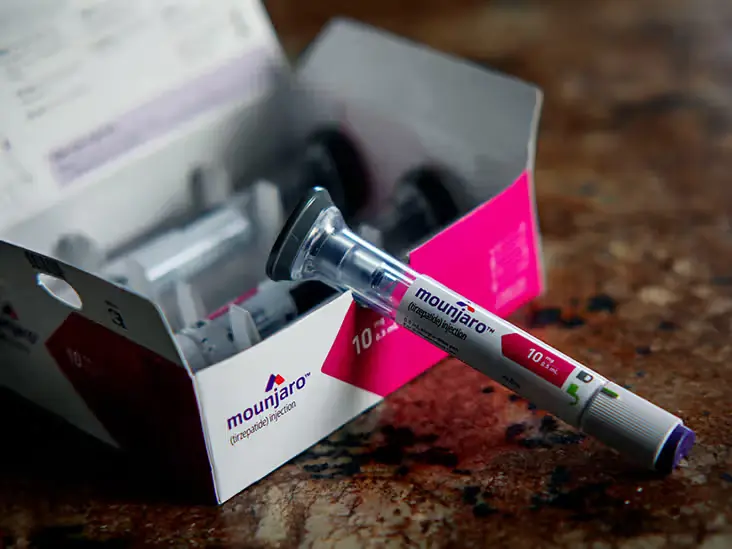
Treatment Options May Include:
- Medications to improve insulin sensitivity
- Blood sugar management therapies
- Nutritional counseling
- Regular monitoring and follow-up
A healthcare provider can develop a personalized treatment plan based on individual health needs.
Preventing Insulin Resistance
Prevention is always better than treatment. By adopting healthy habits early, you can reduce your risk of developing insulin resistance.
Preventive Measures:
- Maintain a healthy weight
- Stay physically active
- Eat a balanced diet
- Manage stress effectively
- Get regular health checkups
Simple lifestyle changes can go a long way in protecting your long-term health.
When Should You See a Doctor?
You should consult a healthcare professional if you experience:
- Persistent fatigue
- Difficulty losing weight
- High blood sugar levels
- Family history of diabetes
- Symptoms that worsen over time
Early evaluation can help prevent progression to more serious conditions.
Final Thoughts
Impaired Insulin Sensitivity is a common but often overlooked condition that can lead to serious health complications if left untreated. The good news is that with early detection, proper care, and consistent lifestyle changes, it is possible to manage and even reverse insulin resistance.
Understanding the signs, taking preventive measures, and seeking medical guidance when needed can help you maintain better health and reduce the risk of diabetes and heart disease. Taking control of insulin resistance today can lead to a healthier, more active future.